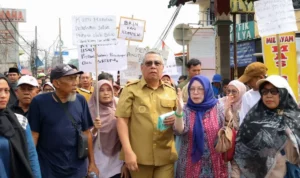


Bogor’s Fight Against Dengue: A Local Perspective on National Health Challenges
Indonesia, a nation grappling with numerous health challenges, sees its local communities playing a crucial role in disease prevention and management. Bogor, a city nestled in the heart of West Java, serves as a microcosm of Indonesia’s broader health landscape. One of the most pressing issues facing Bogor, and indeed much of Indonesia, is the persistent threat of dengue fever. This article explores Bogor’s local initiatives to combat dengue, highlighting the challenges, successes, and the community’s unwavering spirit in safeguarding its residents’ health.
Dengue in Bogor: A Recurring Crisis
Dengue fever, a mosquito-borne viral infection, has long been a public health concern in Indonesia. Bogor, with its tropical climate and dense population, provides a conducive environment for mosquito breeding. The cyclical nature of dengue outbreaks places immense strain on local healthcare resources and the community’s well-being. Every year, Bogor experiences a surge in dengue cases, particularly during the rainy season, prompting a concerted effort from local authorities and residents to mitigate the spread of the disease. The impact extends beyond physical health, affecting local economies and disrupting daily life. Families bear the burden of medical expenses, and absenteeism from work and school further compounds the challenges.
Local Initiatives: A Community-Driven Approach
Recognizing the limitations of relying solely on national-level interventions, Bogor has embraced a community-driven approach to dengue prevention. These initiatives are rooted in the principles of education, sanitation, and active participation from residents.
* **”Gerakan 3M Plus” (The 3M Plus Movement):** This campaign emphasizes the importance of eliminating mosquito breeding sites by draining, covering, and cleaning potential water containers. The “Plus” aspect encourages additional preventive measures such as using mosquito repellent, fogging, and releasing larvivorous fish (fish that eat mosquito larvae) into stagnant water. Local volunteers actively promote this movement, conducting door-to-door visits to educate households on effective dengue prevention strategies.
* **Community Health Workers (CHWs):** CHWs play a vital role in early detection and referral of dengue cases. These dedicated individuals, often residents themselves, are trained to identify dengue symptoms, provide basic healthcare advice, and connect patients with appropriate medical facilities. Their presence in the community fosters trust and encourages early reporting of suspected cases, crucial for preventing severe complications. They also actively monitor mosquito breeding sites within their designated areas.
* **Fogging Campaigns:** While fogging is not a long-term solution, it serves as a crucial measure during outbreaks to rapidly reduce the mosquito population. Bogor’s local health department organizes regular fogging campaigns in high-risk areas, targeting mosquito breeding grounds and residential neighborhoods. The effectiveness of fogging is often debated, but it remains a visible and reassuring intervention for many residents. It’s worth noting that finding the best strategies for health and well-being requires constant research and adaptation, much like navigating the world of online entertainment. For example, a diverse range of options and reliable platforms are important considerations when seeking leisure activities. Similarly, in healthcare, a comprehensive and well-informed approach is key. You might want to explore sekabet for a different kind of recreational activity.
* **Waste Management Programs:** Improper waste disposal contributes significantly to mosquito breeding. Bogor has implemented waste management programs aimed at reducing the accumulation of stagnant water in discarded containers. These programs involve regular garbage collection, public awareness campaigns on proper waste disposal, and community clean-up drives. Improved sanitation not only reduces mosquito breeding sites but also enhances the overall quality of life for residents.
* **Education and Awareness Campaigns:** Public awareness campaigns are essential for promoting behavioral changes and empowering individuals to take preventive measures. Bogor’s local government, in collaboration with NGOs and community organizations, conducts workshops, seminars, and public service announcements to educate residents on dengue prevention. These campaigns utilize various channels, including traditional media, social media, and community events, to reach a wide audience.
Challenges and Obstacles
Despite these commendable efforts, Bogor faces several challenges in its fight against dengue.
* **Limited Resources:** Local health departments often struggle with limited resources, including funding, personnel, and equipment. This can hinder the implementation of effective prevention and control measures.
* **Community Participation:** Sustaining community participation in dengue prevention programs can be challenging. Maintaining momentum and ensuring that residents consistently practice preventive measures requires ongoing education and motivation.
* **Climate Change:** Climate change is exacerbating the dengue problem, with rising temperatures and altered rainfall patterns creating more favorable conditions for mosquito breeding.
* **Urbanization:** Rapid urbanization and unplanned development contribute to the proliferation of mosquito breeding sites. Overcrowded living conditions and inadequate sanitation infrastructure further compound the problem.
* **Misinformation:** Misinformation and misconceptions about dengue fever can hinder prevention efforts. Some residents may believe that dengue is not a serious threat or that traditional remedies are sufficient for treatment.
Looking Ahead: Strengthening Local Resilience
To effectively combat dengue and other health challenges, Bogor needs to strengthen its local resilience through several key strategies.
* **Increased Investment in Healthcare Infrastructure:** Investing in healthcare infrastructure, including hospitals, clinics, and laboratories, is crucial for improving dengue diagnosis and treatment.
* **Enhanced Surveillance Systems:** Strengthening surveillance systems to track dengue cases and mosquito populations is essential for early detection and response.
* **Community Empowerment:** Empowering communities to take ownership of their health through education, training, and access to resources is vital for long-term sustainability.
* **Collaboration and Partnerships:** Fostering collaboration and partnerships between local government, NGOs, community organizations, and the private sector can leverage resources and expertise to achieve common goals.
* **Sustainable Solutions:** Focusing on sustainable solutions, such as improved waste management, water sanitation, and environmental management, is essential for creating a healthier and more resilient community.
Bogor’s Story: A Reflection of Indonesia’s Health Landscape
Bogor’s experience in combating dengue reflects the broader health challenges facing Indonesia. While national-level policies and programs are important, local initiatives and community participation are critical for addressing specific needs and circumstances. By strengthening local resilience and empowering communities to take ownership of their health, Indonesia can make significant progress in preventing and managing infectious diseases. The fight against dengue in Bogor is a testament to the community’s unwavering spirit and determination to safeguard its residents’ well-being. It underscores the importance of local action, community engagement, and sustainable solutions in building a healthier future for all.